Yves Krause · 28 October 2026
Uncovering Links Between Local Wildlife Activity and Dune Formation Processes on Cape Peninsulas
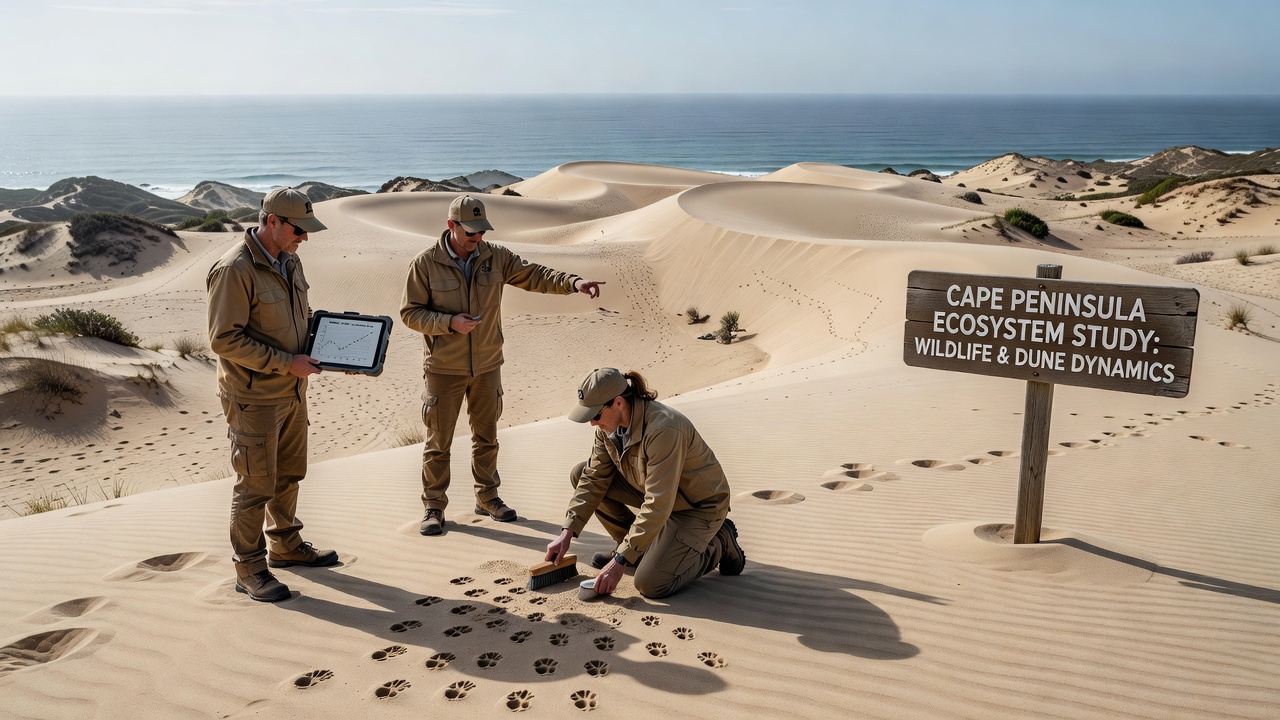
Wildlife activity shapes dune formation on cape peninsulas through direct physical interactions and indirect ecological effects, and researchers have documented these connections across multiple coastal systems since the early 2000s. Animals alter sand movement, trap sediment, and modify vegetation cover, which in turn influences how dunes build, migrate, or stabilize over time. Data from long-term monitoring programs show that species ranging from burrowing mammals to nesting seabirds create measurable changes in dune morphology on sites such as Cape Cod and the Cape Peninsula in South Africa.
Key Species and Their Roles in Sediment Dynamics
Burrowing mammals including rabbits and foxes excavate tunnels that channel wind and water through dune structures, and these pathways accelerate localized erosion while also redistributing sand into new ridges downwind. Studies indicate that rabbit populations on the Cape Peninsula increase sand mobility by up to 25 percent in heavily burrowed zones according to measurements collected between 2018 and 2024. Birds such as terns and plovers nest in shallow scrapes that trap windblown particles, forming small hummocks that later coalesce into larger foredunes when vegetation takes hold around the nest sites.
Herbivores like rock hyraxes on South African capes graze on pioneer plants, which reduces dune stabilization in some areas yet promotes seed dispersal that allows new vegetation patches to establish elsewhere. Observers note that these grazing patterns create a mosaic of bare sand and vegetated hummocks that alters overall dune migration rates. In contrast, larger mammals such as deer on Cape Cod trample paths that become corridors for storm surge, and this activity can shift sediment budgets during high-energy events.
Mechanisms Connecting Wildlife to Dune Evolution
Bioturbation from digging and trampling loosens surface sand layers, which makes particles more available for wind transport during prevailing onshore breezes common on peninsula coasts. Researchers have measured higher aeolian flux rates in zones with dense burrow networks compared with undisturbed control plots, and the difference becomes most pronounced after seasonal rains compact the surface elsewhere. Nest-building birds add organic matter and fecal nutrients that encourage rapid colonization by dune grasses, and this feedback loop accelerates vertical accretion in active nesting colonies.
Seed caching by rodents further influences plant distribution, which determines how effectively dunes resist wave attack during winter storms. Data collected along the western Cape show that caches placed near existing vegetation clusters increase grass cover density by 15 to 30 percent within two growing seasons, while isolated caches often fail due to desiccation. These processes operate continuously yet become especially visible after extreme weather when new sand deposits interact with existing animal-modified surfaces.
Regional Patterns Observed on Cape Systems
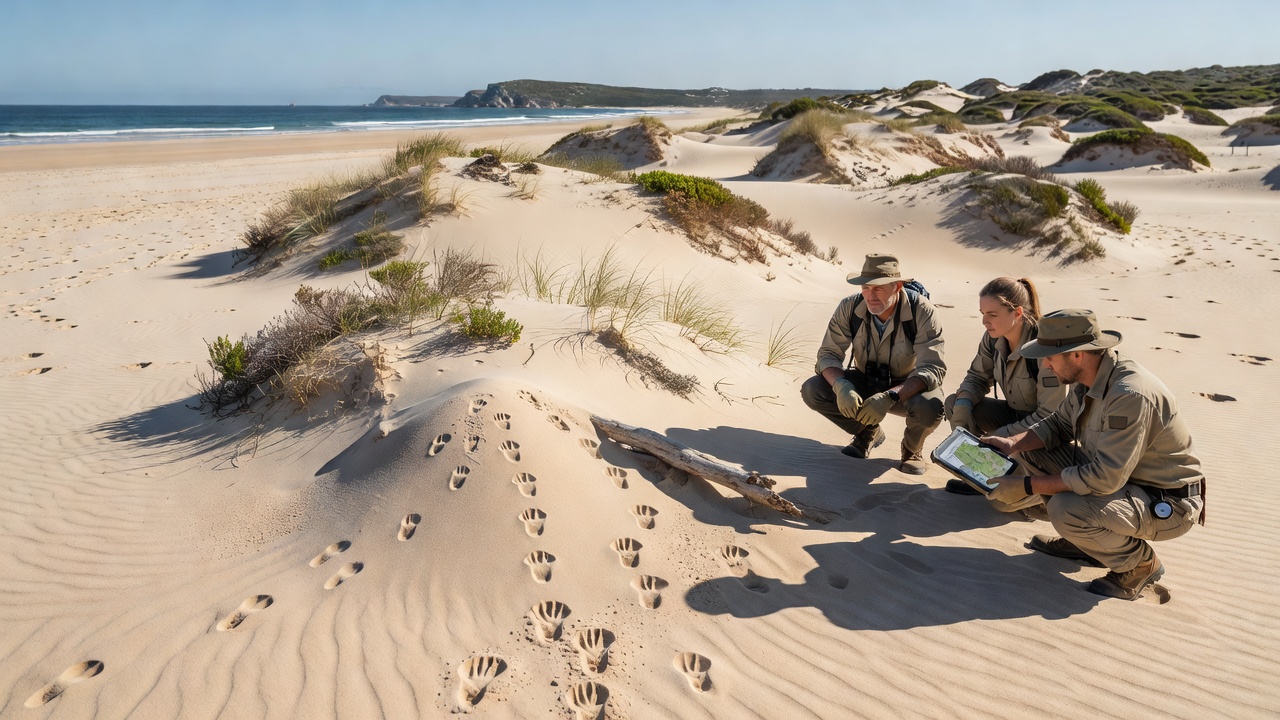
On the Cape Peninsula, fynbos-adapted species interact with shifting quartz sands in ways that differ from the grassy systems found farther north, and field surveys completed in 2023 recorded distinct dune ridge orientations tied to hyrax trail networks. Similar patterns appear on Cape Cod where piping plover nesting areas coincide with elevated foredune crests that protect back-barrier wetlands. Monitoring teams have tracked these correlations using LiDAR surveys flown at five-year intervals, and the resulting elevation models reveal consistent associations between high wildlife density zones and accelerated dune growth phases.
October 2026 marks the start of a coordinated multi-site study that will deploy camera traps and sediment samplers across both hemispheres to quantify seasonal variations in animal-driven sand transport. Preliminary data releases scheduled for early 2027 are expected to refine existing models that currently treat wildlife effects as secondary variables rather than primary controls on dune morphology.
Interactions with Storm Events and Climate Variability
Historical storm records combined with modern dune surveys demonstrate that animal-modified surfaces respond differently to overwash than intact dunes, and paths created by repeated wildlife movement often become the first locations where water breaches the foredune line. Researchers tracking post-storm recovery on peninsula shores have found that recolonization by vegetation proceeds faster in areas where seed-caching rodents remain active, which shortens the window of vulnerability to follow-up erosion events.
Climate-driven shifts in animal ranges are already altering these dynamics on several capes, and northward expansion of certain burrowing species has been documented along the eastern seaboard of North America. Corresponding changes in dune sediment budgets appear in long-term accretion records maintained by coastal management agencies, though the exact contribution of wildlife versus sea-level rise remains under active investigation.
Conclusion
Wildlife activity and dune formation on cape peninsulas form an interconnected system where animal behaviors directly modify sediment transport and vegetation establishment, and ongoing research continues to quantify these relationships across geographic regions. Data from established monitoring networks and upcoming field campaigns scheduled through 2026 and beyond will provide additional detail on how these processes respond to changing environmental conditions. The evidence assembled so far shows that local fauna represent an integral component of coastal geomorphology rather than a peripheral influence.